
5 Keys to Upgrade Your Organization’s Digital Maturity
Digital maturity refers to the level of technological advancement, and integration within an organization to achieve its digital goals and strategies.

Digital maturity refers to the level of technological advancement, and integration within an organization to achieve its digital goals and strategies.

Financial services refer to the range of products and services offered by financial institutions to individuals, businesses, and governments.
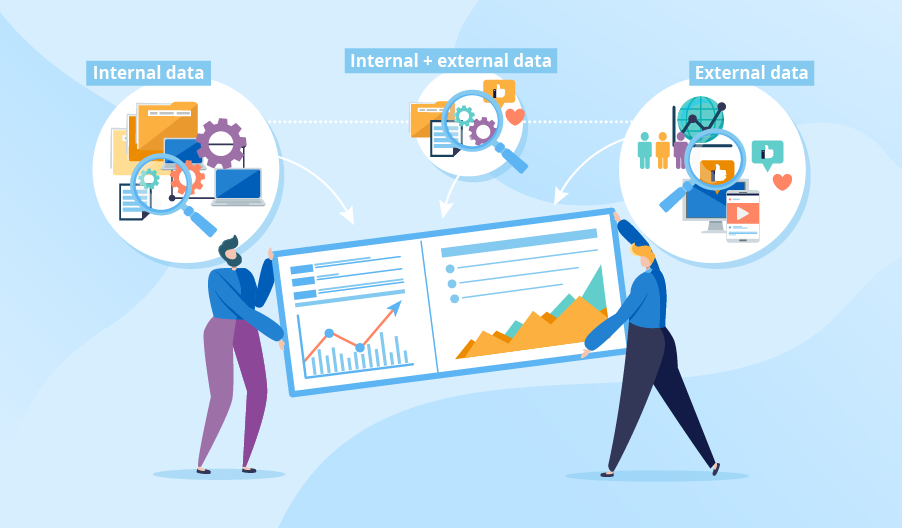
Advanced Analytics (AA) have had a transformational impact on global businesses. The emergence and rapid growth of AA has been the top business priority of CIOs, as it enables businesses to enhance their processes and operations. While data analytics refer to drawing insights from raw data, advanced analytics help collate previously intact data sources, especially the unstructured data and data from the intelligent edge, to accumulate analytical insights.

Industry 4.0 is one of the most commonly used jargons in technology arena these adays. The fourth industrial revolution in manufacturing industry is referred as Industry 4.0 and is defined as a set of digital technological shifts to create a consistent framework in the manufacturing sector. It is the integration of smart digital technology and manufacturing

Implementation of cloud or cloud migration is an uphill task and CIOs takeaway from the constant drumbeat of cloud migration have many challenges, thus require a strategy and road map to make it successful.

Technology advancements in SAP has brought up SAP HANA to the world of IT to empower the acceleration of business processes with business intelligence and advance analytics resulting in simplification of IT environment.
Building a successful brand image depends on how consumers perceive it. The blog of ACI Infotech explains the value of knowing how people view your brand.

Cloud migration is revolutionizing the financial services industry and by overwhelming trend is required for financial institutions to remain competitive.

Digital transformation offers new ways of respecting contexts. Technology helps with contextualization in learning to overcome the challenges of teaching abstract