/ Quality Engineering
Quality engineering, built into every release.
Quality as an engineering discipline, not a test phase. Tests run on every commit, AI agents generate and heal the suites, and production telemetry feeds the strategy instead of guesswork. Continuous, AI-augmented, and owned by the team that ships.
- In-sprint automation
- Agentic AI coverage
- CI/CD quality gates
- Observability-fed
90%+ automation as the default
Full suites in CI, under ten minutes.
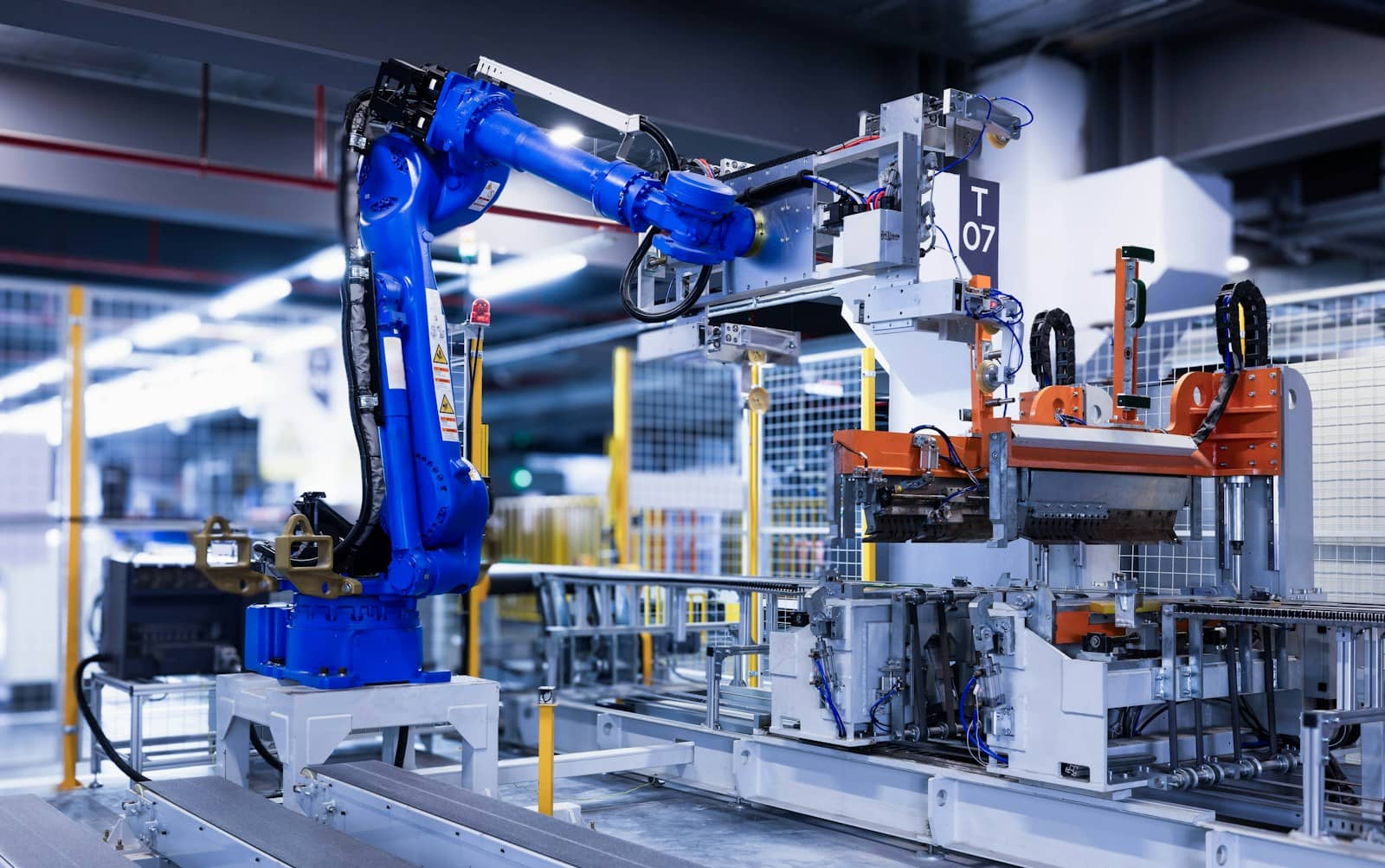
Quality at commit speed
A gate everyone trusts
moves at commit speed.
Move the checks into the sprint, the pipeline, and production telemetry and they run on every commit: automated suites in CI, AI agents growing the coverage, and a release train that leaves on schedule. The gate becomes a green light.

99.97%Uptime across 72+ servers
CI/CD, monitoring, and quality gates automated across a complex estate
Read the case study
/ The shift
From QA to QE.
We rebranded because the work changed. The old framing stopped describing what we actually do.
QA, the old way
Executed by a separate team after the build is done
Manual test cases in a spreadsheet, regression sprints at the end
Staff-augmentation shops billing by headcount
Quality as a gate; releases held up or rolled back
Tests as an artefact maintained by someone else
QE, the way we do it
Owned by the same team that writes the code
Tests as code, versioned and reviewed in the same pull request
Automation first; exploratory testing as the only manual step
Quality as a property of the system, watched in production
AI agents scaling the coverage humans cannot keep up with
Same engineering discipline, sharper name. Visitors who came looking for QA find it here; what we actually ship is QE.
/ The quality loop
A loop, not a gate.
Four stages of delivery, each with the work it produces and the specific AI augmentation that applies there.
01
Design
AI: Agentic test generation from stories
Risk models, test-first specs, acceptance criteria tied to code.
02
Build
AI: Self-healing suites, drift detection
In-sprint automation, unit and integration coverage, static analysis.
03
Ship
AI: Flaky-test prediction, quarantine
CI gates, load validation, security scans on every pull request.
04
Observe
AI: Coverage gap detection, defect clustering
Production telemetry, SRE-adjacent quality, feedback into tests.
Then the loop closes: production feedback flows into the next design cycle, and coverage follows the system instead of chasing it.
/ AI on the team
What AI does on the team.
Four jobs that buy back engineer hours from test maintenance, flake chasing, and defect triage.
01
Test generation
Agents ingest user stories, code changes, and past defects, then generate the test cases humans miss. Coverage climbs without a proportional headcount climb.
02
Self-healing suites
UI selectors drift, tests break, engineers lose the week fixing them. An agent watches the drift, updates selectors, and flags the ones it cannot resolve. Your team writes new tests instead of babysitting old ones.
03
Flaky-test prediction
Before a test becomes a chronic flake, a model sees the pattern and quarantines it. The pipeline stays trustworthy; engineers keep merging with confidence.
04
Defect pattern analysis
Bugs cluster. An agent reads the defect log, groups by root cause, and tells you which class of bug to eliminate next. Root cause, not whack-a-mole.
Practical order: self-healing in the first month, coverage gap detection shortly after, generation from stories and defect clustering once the baseline suite is stable.
/ What we actually ship
Six capabilities, delivered as part of engineering.
Not as a separate phase, not by a different team, not on a different contract. Part of how the system is built.
01
In-sprint test automation
End-to-end, integration, and unit suites written the same sprint the feature lands. Executable tests on every commit, finished in under ten minutes, with a zero flaky-test policy.
PlaywrightCypressJestPytestSelenium
 Cypress
 Jest
Jest Pytest
 Selenium
02
Agentic AI test coverage
Autonomous agents that generate, execute, and maintain suites. Reads user stories, code, and past defects to find cases your team did not think of. Coverage up 3x, selectors that heal themselves.
MablTestimApplitoolsCustom agents
03
CI/CD quality gates
Tests wired into pull request checks, deploy stages, and post-deploy smoke. Bad merges blocked at source; every merge hits production with confidence.
GitHub ActionsGitLab CIJenkinsCircleCIArgoCD
 GitHub Actions
 GitLab CI
 Jenkins
 ArgoCD
04
Performance and load engineering
Real-scale validation before production finds it for you. Load testing, performance benchmarking, capacity planning, all part of delivery. Validated scale targets, no surprise outages.
k6JMeterGatlingLocustBlazeMeter
 k6
k6 Gatling
05
Security testing as engineering
SAST, DAST, dependency scanning, and penetration testing in the pipeline. A continuous discipline, not a late-stage audit, with vulnerabilities caught before production.
OWASP ZAPSnykCheckmarxBurp Suite
 OWASP ZAP
 Snyk
Snyk06
Observability-fed quality
Production telemetry loops back into test strategy. Coverage gaps get detected from real traffic; flakiness quarantined before it breaks trust in CI. Quality trends, not hunches.
DatadogSonarQubeGrafanaCustom dashboards
 Datadog
 SonarQube
 Grafana
Default stacks above. We meet you where you are; if your team runs a different toolchain we plug into that rather than forcing a swap.
/ Why ACI
What we do differently
Four ways we work, and what each one actually looks like in your repo.
Engineering discipline, not a testing vendor
QE is engineering work. We staff it with engineers, not with QA-coded staff augmentation. Tests land in your repo and get reviewed like any other pull request.
Tests live in your repo, versioned like code
Embedded in delivery, not parallel to it
One team, one sprint cadence, one shared quality goal. Our engineers write, review, and maintain alongside yours. No separate testing phase that slows everything down.
One team, one cadence, shared ownership
Automated from sprint one, not sprint thirty
The cheapest time to instrument is now. We do not retrofit automation after the fact; coverage starts with the first feature, not when tech debt catches up.
90%+ automation as a default, not a nice-to-have
Accountable through production
Tests are a living contract. We keep them true as the app evolves, on an SLA. No "handed over at go-live" and then silence.
24/7 ownership of test infrastructure
/ Beyond delivery
Quality is not a one-time project
We stay to maintain, evolve, and optimise quality infrastructure as the application grows. We run what we build.
/ Production operations
24/7 monitoring of test infrastructure, alerts on flaky suites, continuous maintenance as the application evolves.
/ SLA-backed support
Contractual response times for CI failures, defined escalation paths, accountable ownership of quality gates.
/ Continuous optimisation
Test suite performance tuning, coverage gap analysis, defect trend monitoring.
Quality improves over time, not degrades.
/ Evolution as partners
As your application changes, the test strategy changes with it.
We stay on the long arc, evolving coverage rather than maintaining it in place.
Fewer flakes. Faster releases. One sprint to see.
Pick your worst-flaking area. We wire in a self-healing suite for one sprint and you see the cycle-time shift in two weeks. Go quarter by quarter after that.
Start with one sprint/ Questions
QE questions,
answered straight.
The questions we hear most before a quality engagement. Anything else belongs in a conversation.
How is Quality Engineering different from QA and testing?
QA ran at the end, by a separate team, against a spreadsheet of manual cases. QE runs throughout delivery, owned by the same engineers who write the code, with automated suites and AI agents maintaining coverage. Same engineers, same repo, same accountability.
Do you do manual regression testing?
Not as a standalone service. A short exploratory pass is part of any healthy QE practice, but we are not a manual regression shop. If that is what you need, we will tell you upfront and point you at a better-fit partner.
What stack do you default to?
Playwright for end-to-end, Jest or Pytest for unit and integration, k6 or JMeter for performance, OWASP tooling for security. We meet you where you are; if your team runs Cypress or Selenium we plug into that rather than forcing a swap.
How does agentic AI fit in practically?
Month one: self-healing UI selectors so your team stops babysitting drift. Month two or three: coverage gap detection from production traffic. Once the baseline suite is stable, agentic generation from user stories and defect clustering. Not all of it on day one.
How do you plug into our CI/CD pipeline?
Whatever you run. GitHub Actions, GitLab CI, Jenkins, CircleCI, Azure DevOps. Quality gates wire into pull request checks, deploy stages, and post-deploy smoke. Results flow back into your existing tools; no context switching.
From the blog
Cyber Security
DevSecOps in 2026: Why 'Shift Left' Now Means Embedding AI Into CI/CD Pipeline
Shift left isn’t enough. Learn how AI-embedded DevSecOps secures CI/CD pipelines against modern threats and supply chain attacks.
Read
serverless
Serverless, Microservices & Cloud-Native Architecture | Scalable Apps
Modernize to serverless, microservices, and cloud-native to ship faster, scale on demand, and cut cloud costs. See ACI Infotech’s playbook for resilient, compliant, ROI-driven apps.
Read
Insights
Cloud AI for CIOs Driving Innovation | ArqAI Solutions
See how ArqAI’s AI Cloud Solutions for CIOs cut costs, reduce latency, and enhance compliance across secure, optimized hybrid cloud environments.
Read